Several countries and UN chief back Iran-US talks
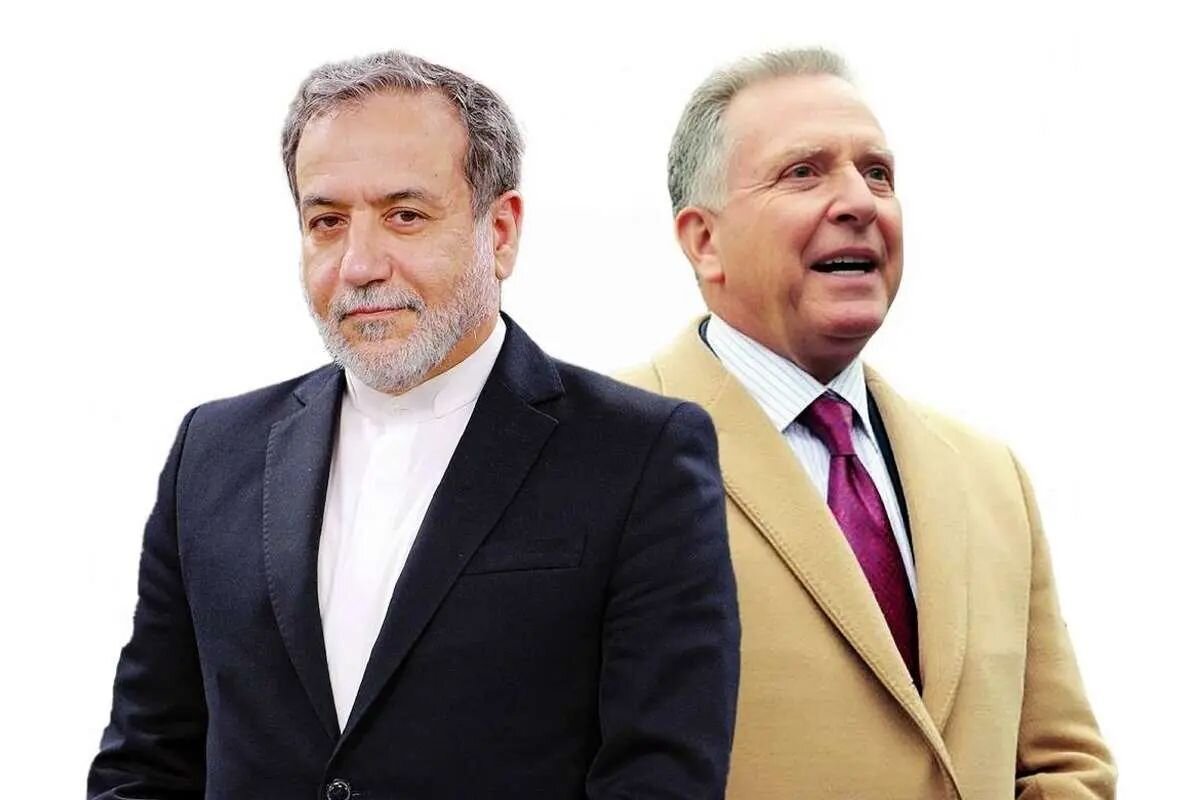
TEHRAN - So far, some regional countries, including Saudi Arabia, Qatar, Egypt, Iraq, the UAE, Turkey, China, Italy, and the Republic of Azerbaijan, as well as the United Nations, have expressed strong support for the resumption of nuclear talks between Iran and the United States.
The talks on Friday in Muscat, Oma, marked the first U.S.-Iran diplomatic engagement since weeks of heightened tensions.
Foreign Minister Abbas Araghchi, the chief negotiator representing the Iranian team, described the talks as a “good start,” saying they could continue if the atmosphere of distrust is overcome. He said it was agreed that this process would continue, which means they will reconvene in Muscat at a later date.
Omani Foreign Minister Badr Albusaidi, who acted as a mediator between the Iranian and the U.S. negotiators, described the talks as “very serious,” helping clarify the positions of both sides and identify areas for possible progress.
Indirect negotiations were an effort to defuse the rising tensions between Iran and the U.S. over Tehran’s nuclear program.
The talks were the first to be held between Iran and the U.S. since Washington and Israel launched unprovoked military strikes on Iran’s nuclear sites and military leadership last June.
U.S. President Donald Trump called the Oman talks good, but said there’s more work to do, the New York Times reported.
Trump said the negotiations would resume next week.
‘The region is burdened by multiple crises’
Arabia Saudi Foreign Minister Prince Faisal bin Farhan expressed support on Friday for the resumption of nuclear negotiations, voicing hope that the talks will open a diplomatic path to ease tensions and promote peace and stability across the region.
Talking at a press conference in the Slovenian capital Ljubljana, Bin Farhan said Riyadh hopes the crisis between Washington and Tehran can be resolved through diplomacy. He stressed that dialogue remains the only viable option to prevent further escalation in an already volatile region.
“The region is burdened by multiple crises, and finding a diplomatic solution between the United States and Iran is essential for achieving peace and stability,” Anadolu Agency quoted the Saudi chief diplomat as saying.
Preventing confrontation is a ‘regional priority’
Egyptian Foreign Minister Badr Abdelatty said on Friday that intensifying diplomatic efforts with regional and international partners to prevent the Middle East from sliding into a broader confrontation with Iran, warning that further escalation would deepen an already fragile regional landscape.
Speaking at a press conference after a meeting of the Arab-Islamic Contact Group’s ministerial committee in Slovenia, Abdelatty said avoiding confrontation with Iran and prioritizing diplomatic solutions remain a top priority for Cairo, as the region faces overlapping crises.
“The region is already overwhelmed by crises, and avoiding a slide into wider conflict with Iran is essential,” he said, noting ongoing coordination with key partners, including the United States and the European Union.
Indirect negotiations between the U.S. and Iran began in Oman on Friday, in an effort to defuse their rising tensions over Tehran’s nuclear program.
Wish for ‘comprehensive deal’
Qatar on Saturday expressed hope that negotiations would lead to a comprehensive agreement that would contribute to enhancing security and stability in the region, the Qatari Foreign Ministry said.
The remarks came during a meeting between Foreign Minister Sheikh Mohammed bin Abdulrahman Al Thani and his Iranian counterpart Abbas Araghchi, who was visiting Doha.
Sheikh Mohammed welcomed the talks, expressing hope they would “lead to a comprehensive agreement that serves the interests of both parties and enhances security and stability in the region.”
He stressed “the need for concerted efforts to spare the peoples of the region the consequences of escalation and to continue coordinating with brotherly and friendly countries to overcome differences through diplomatic means.”
UN chief calls for 'peaceful settlement of disputes'
The UN on Friday welcomed the resumption of talks, expressing hope the discussions would help “reduce regional tensions and prevent a broader crisis.”
“The Secretary-General has consistently advocated for de-escalation and the peaceful settlement of disputes in accordance with the UN Charter,” Antonio Guterres’ spokesman Stephane Dujarric said in a statement, adding that all concerns can and should be addressed through peaceful dialogue.
Guterres “is grateful to countries in the region for their efforts to help make these talks possible, and to Oman for hosting them,” he added.
'The need to enhance regional stability and security'
Iraq’s Ministry of Foreign Affairs has welcomed the negotiations between Iran and the United States, Atlas Press reported.
In a statement released on Friday, Baghdad emphasized that these talks could pave the way for reducing tensions and expanding opportunities for diplomatic engagement between the parties.
The Iraqi Ministry of Foreign Affairs also stated that the country fully supports all efforts aimed at lowering tensions and enhancing stability and security in the region.
Furthermore, Baghdad stressed the importance of dialogue and diplomatic solutions for managing regional disputes, describing them as the appropriate path to prevent the escalation of crises.
‘A step toward regional security and stability’
The United Arab Emirates (UAE) officially welcomed the Oman talks as a step toward regional security and stability.
It affirmed that this positive development reflects ongoing efforts to advance dialogue and promote de-escalation.
In a statement, the country’s Foreign Ministry said the UAE reiterated its belief that strengthening dialogue and de-escalation, upholding international law, and respecting the sovereignty of states constitute the most effective framework for addressing current crises, underscoring its steadfast commitment to resolving differences through diplomatic means.
Furthermore, the UAE expressed hope that these consultations will yield positive outcomes that contribute to de-escalation, strengthen regional security and stability, and support regional and international peace.
Turkey, which was originally considered as a host for a multilateral summit, also actively urged both sides to negotiate.
Likewise, China reaffirmed support for dialogue and maintained communication with both parties to resolve differences.
Chinese Foreign Ministry spokesman Lin Jian said China “hopes all parties will resolve differences through dialogue and jointly keep the region peaceful and stable."
Italy also urged de-escalation and expressed strong support for mediation efforts. Azerbaijan also stated it is ready to help ease tensions between the two nations.
Leave a Comment